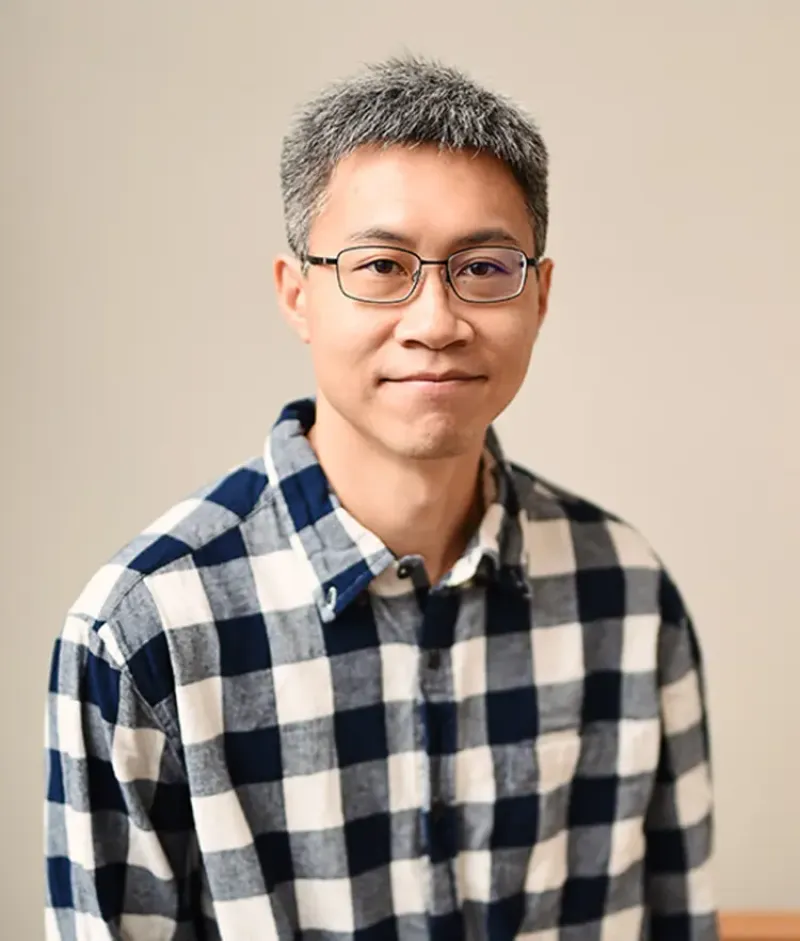
Sing Lee , PhD
Education
Ph.D., Chemistry, Michigan State University, 2012
Bachelor of Science, Chemistry, Hong Kong University of Science and Technology, 2003
Employment
Associate Professor, Michigan State University, East Lansing, 2024 - Present
Associate Professor, Michigan State University, East Lansing, 2024 - Present
Assistant Professor, Michigan State University, East Lansing, 2019 - Present
Assistant Professor, Michigan State University, East Lansing, 2017 - Present
Project Scientist, University of California Davis, Davis, 2014 - 2016
Post-doctoral Scholar, University of California Davis, Davis, 2010 - 2014
Publications
Relative Importance of Soluble and Microsomal Epoxide Hydrolases for the Hydrolysis of Epoxy-Fatty Acids in Human Tissues International Journal of Molecular Sciences (2021)
Movement to the Clinic of Soluble Epoxide Hydrolase Inhibitor EC5026 as an Analgesic for Neuropathic Pain and for Use as a Nonaddictive Opioid Alternative Journal of Medicinal Chemistry (2021)
Cytochrome P450 Metabolism of Polyunsaturated Fatty Acids and Neurodegeneration Nutrients (2020)
Preparation and evaluation of soluble epoxide hydrolase inhibitors with improved physical properties and potencies for treating diabetic neuropathic pain Bioorganic & Medicinal Chemistry (2020)
Inactivation of Cys 674 in SERCA2 increases BP by inducing endoplasmic reticulum stress and soluble epoxide hydrolase British Journal of Pharmacology (2020)